.svg)
.svg)

When you're planning to install a new gas appliance, upgrade your heating system, or expand your home's gas capabilities, proper gas piping installation isn't something you can cut corners on. It's one of those critical infrastructure projects that directly impacts your home's safety, efficiency, and comfort. At Stinson Mechanical, we've spent over 25 years handling gas piping installations throughout the Willamette Valley, and we know exactly what it takes to do this work right - from the initial assessment through final inspection and beyond.
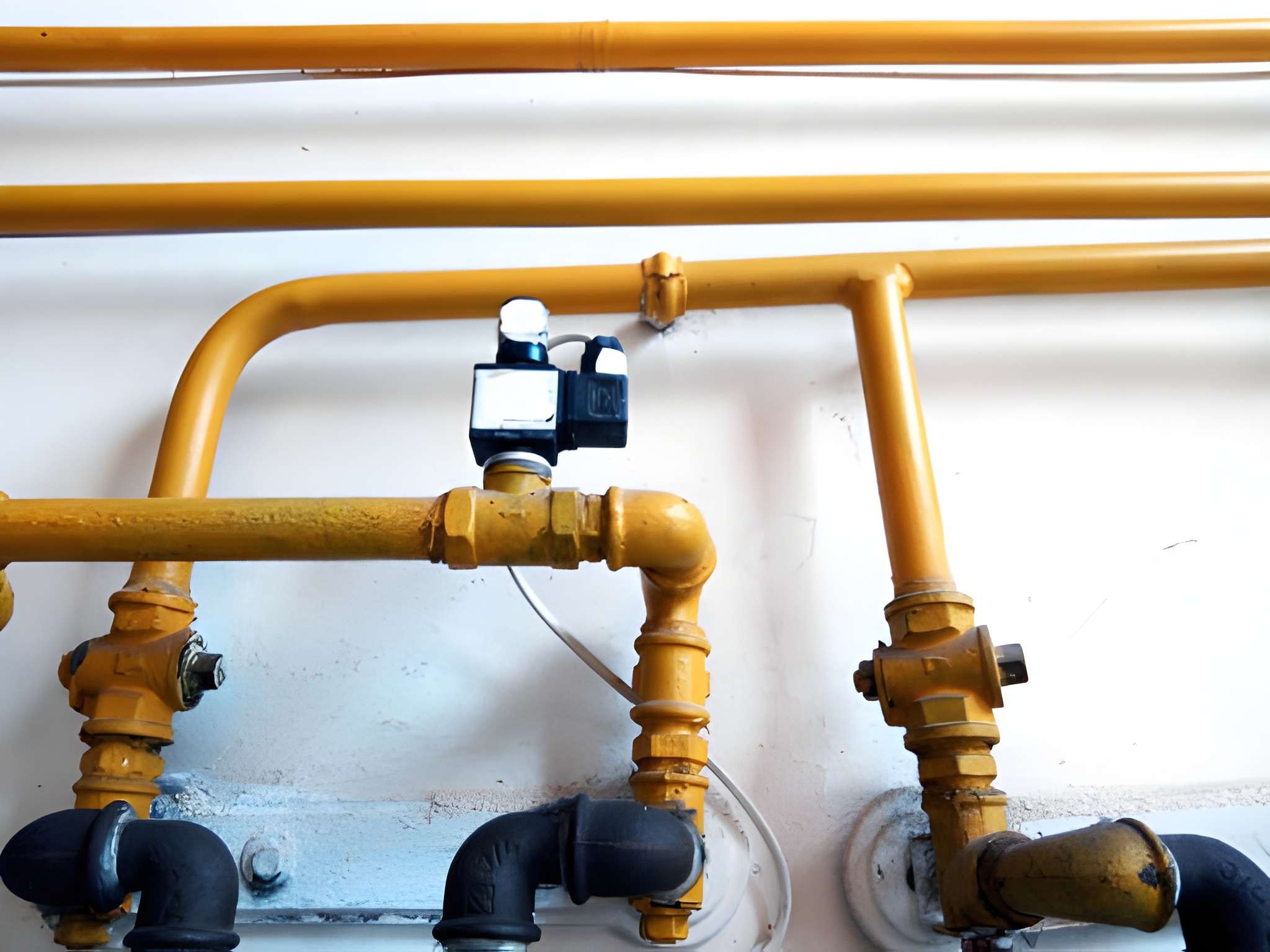
Gas piping is the backbone of many home comfort systems. Whether you're installing a new gas furnace, adding a gas range, or setting up a tankless water heater, the piping that delivers that gas needs to be sized correctly, routed safely, and installed to code. In Mill City and the surrounding area, we handle everything from straightforward residential installations to more complex commercial projects. Our priority is making sure your gas system works reliably and efficiently while keeping your family safe - that's what honest HVAC service looks like.
Why Professional Gas Piping Installation Matters
You might wonder why you can't just have anyone install gas piping. The reality is that gas is a precise utility. Too much pressure and connections fail. Too little and your appliances don't work efficiently. Size the line wrong and you're wasting energy or creating safety issues. Install it without proper support or in the wrong route and you're asking for corrosion, damage, or accessibility problems down the line.
Professional installation means we assess your specific needs, calculate the proper load and pressure requirements, select the right materials, route the piping intelligently, pull permits, pass inspections, and test everything thoroughly. It's the difference between a system that works well for years and one that becomes a headache - or worse, a safety concern.
The Gas Piping Installation Process
When you call Stinson Mechanical for gas piping installation in Mill City, here's what you can expect:
Initial Assessment and Load Calculation
We start by understanding your project completely. Are you installing a new furnace? Adding a water heater? Upgrading kitchen appliances? We evaluate your current gas infrastructure, if any, and determine the flow rate and pressure your new appliance or system requires. This is where the engineering happens. We calculate the BTU demand of all gas appliances that will run on the system, accounting for simultaneous use. This load calculation is critical - it determines the pipe diameter and material we'll specify.
Oregon's energy codes and local building standards require that installations meet specific safety and efficiency standards. We stay current on these requirements and make sure every installation complies from day one.
Material and Route Selection
Copper, PEX, and steel are the primary materials we use for gas piping in residential applications. Each has advantages depending on your situation. We select materials that match your home's existing infrastructure, your local water chemistry, and building code requirements. PEX piping, for instance, offers flexibility and is gaining popularity for residential work because it's easier to install and more resistant to corrosion in certain conditions. Copper is traditional and proven. Steel piping works well in specific applications.
The route matters just as much as the material. We plan the path that minimizes potential damage, keeps piping accessible for future service, avoids areas where it might freeze in winter, and keeps it protected from physical damage. In Mill City's climate, we're thoughtful about how we route piping to prevent issues during our colder months.
Permit Procurement and Coordination
Gas work requires permits - this isn't optional, and it's not something to skip. We handle the permit process on your behalf. This means we prepare the documentation, submit it to the local building department, and schedule the required inspections. We stay in constant communication with you and the inspectors throughout the process to make sure everything stays on track. Permits exist to protect you and your neighbors, and they ensure that the work meets current safety standards.
Installation and Pressure Testing
Once permits are approved, our experienced technicians begin the installation. We handle the physical work with precision - cutting, bending, fitting, and securing the piping according to code. Everything gets properly supported and secured so it won't sag or move over time.
After installation, pressure testing is non-negotiable. We pressurize the system to specified levels and hold that pressure for a set time period. Any drop in pressure indicates a leak. We use specialized equipment to locate and mark any issues, then repair them until the system maintains perfect pressure. This testing happens before we ever turn on the gas supply - it's your safety guarantee.
Gas Supply Connection and Leak Detection
Once pressure testing passes and the inspector approves the rough installation, we connect the system to your gas supply (or verify the connection if one already exists). Using specialized leak detection equipment, we test every fitting, connection, and valve with a gas-safe solution that shows even the tiniest leak. We don't consider the job complete until there's zero gas leakage anywhere in the system.
Safety Standards and Certifications
Gas piping installation requires knowledge, precision, and respect for safety protocols. Our team brings over 25 years of HVAC experience to every project. We follow the International Fuel Gas Code and Oregon's specific amendments to that code. We understand pressure regulators, sediment traps, proper venting requirements, and all the details that keep gas systems working safely.
We also understand the appliances on the other end of those pipes. A gas furnace, water heater, or range needs the right pressure, the right BTU delivery, and proper gas quality to work efficiently and safely. Our knowledge of both the piping side and the appliance side means we install systems that work together perfectly.
Timeline and What to Expect
The timeline for gas piping installation depends on the scope of your project. A straightforward installation of piping for a single appliance in a residential home typically takes one to three days once permits are in hand. This includes the rough installation, pressure testing, inspection, connection to supply, and final leak detection.
More complex projects - like adding multiple gas appliances or routing piping through a larger home or commercial space - might take a week or more. The permit and inspection process can add one to two weeks to your overall timeline, depending on the local building department's schedule.
We schedule our work around your availability and minimize disruption to your home or business. We let you know our timeline upfront and keep you informed as work progresses.
Common Issues We Address in Gas Piping Projects
Over our years serving Mill City and the Willamette Valley, we've encountered and solved all sorts of gas piping challenges. Old homes sometimes have undersized piping that limits what new appliances can be installed. Homes with outdated steel piping might have corrosion concerns. Properties in areas with aggressive water chemistry need special material considerations. We've helped homeowners work through all these scenarios.
One common situation is when someone wants to add a gas appliance but the existing piping won't support it. Rather than compromise on safety, we upgrade the entire system to handle the load properly. It's an investment, but it ensures everything works reliably.
Another frequent question we address is whether older piping needs replacement. Sometimes it does, sometimes it doesn't. We evaluate the condition, test the system, and give you honest recommendations based on what we find.
Post-Installation Support and Maintenance
After your gas piping installation is complete, we provide you with documentation showing the system has been properly installed, tested, and approved. We explain how your new gas system works and answer any questions you have.
Going forward, your gas piping should be inspected annually as part of routine HVAC maintenance. We check for any signs of corrosion, proper pressure levels, sediment accumulation, and system integrity. This preventive approach catches potential issues long before they become problems.
If you ever notice the smell of gas, hear unusual sounds from your piping, or have concerns about your system's operation, contact us immediately. Gas safety is something we never take lightly.
Energy Efficiency and Long-Term Performance
Properly installed gas piping supports your whole system's efficiency. When gas reaches your furnace or water heater at the right pressure, those appliances can operate at peak efficiency. Undersized or problematic piping forces appliances to work harder and less efficiently. By getting the piping installation right from the start, you're investing in years of reliable, efficient operation.
This aligns with our core commitment at Stinson Mechanical - keeping our customers comfortable in an efficient manner. Quality gas piping installation is foundational to that goal.
Why Choose Stinson Mechanical for Gas Piping Installation
When you choose Stinson Mechanical for gas piping installation in Mill City, you're working with a team that prioritizes honesty, expertise, and your family's safety. We don't recommend work you don't need. We do recommend what's necessary to build a safe, efficient, long-lasting system. We explain our findings clearly, answer your questions thoroughly, and keep you informed every step of the way.
Our stocked inventory of equipment and materials means we can work efficiently and complete projects without unnecessary delays. Our experience across residential and commercial projects means we've solved the unique challenges that come with different building types and situations. And our understanding of Oregon's energy codes means your installation will not only meet current requirements but position you well for future code changes.
Whether you're installing a new furnace, adding a gas water heater, expanding your kitchen with gas appliances, or handling a commercial gas project in the Mill City area, we have the expertise and commitment to quality that makes the difference. Gas piping installation is serious work, and it deserves to be done right the first time.