.svg)
.svg)

If you've noticed a gas smell near your home, heard unusual hissing sounds, or received a warning from your utility company, you likely have a gas line issue that needs immediate attention. Gas line problems aren't something to put off - they're safety concerns that require professional diagnosis and repair. At Stinson Mechanical, we understand the urgency and potential anxiety that comes with gas line troubles. We're here to help Philomath residents get their systems inspected, repaired, and restored to safe operation quickly and honestly.
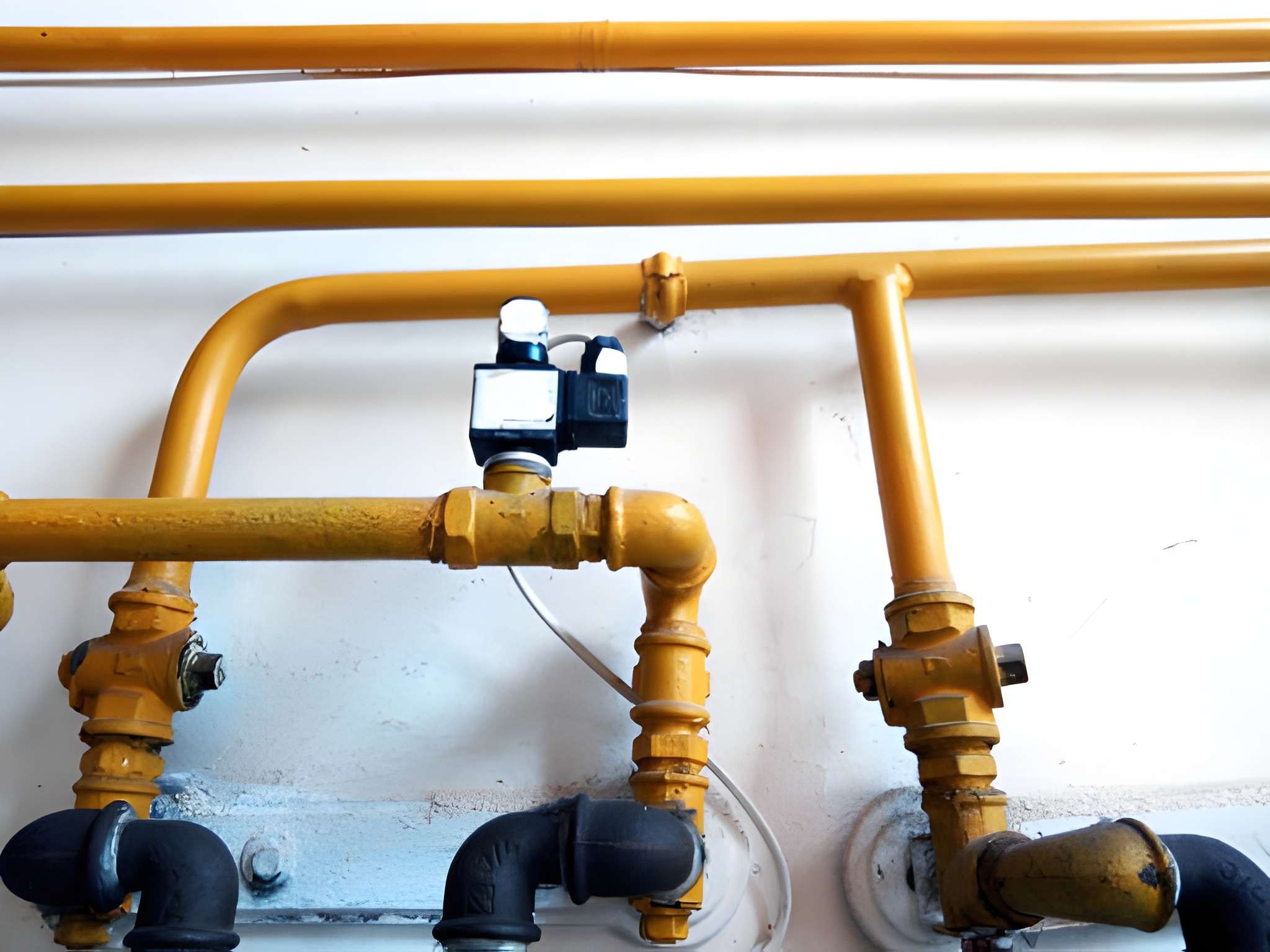
Gas lines are critical infrastructure in your home, delivering fuel to your furnace, water heater, range, or other appliances. When they develop leaks, corrosion, or blockages, your family's safety becomes a priority. We've been serving the Willamette Valley for over 25 years with HVAC expertise that includes comprehensive gas line services. Our team stays in constant communication with our customers throughout the repair process, so you always know what's happening and what comes next.
Why Gas Line Problems Require Professional Attention
Gas leaks pose serious health and safety risks, including exposure to carbon monoxide and the potential for explosions or fires. Unlike other home systems you might troubleshoot on your own, gas line issues demand immediate professional evaluation and repair. If you suspect a problem with your gas line in Philomath, don't ignore it and don't attempt DIY fixes - contact us right away.
The most common warning signs include:
- A strong rotten egg or sulfur-like smell near gas appliances or pipes
- Hissing or whistling sounds coming from walls or under the foundation
- Dead or dying vegetation in a concentrated area of your yard - this can indicate underground gas leaks
- Frequent pilot light outages on your gas appliances
- Yellow or orange flames instead of blue flames in your furnace or range burners
- Excessive condensation around gas connections
- Visible corrosion or discoloration on metal gas lines
- Sooty deposits around appliance burners or vents
- Unexplained increases in your gas bill
Any of these signs warrant an immediate call to a qualified technician. Gas line safety isn't negotiable, and addressing problems early prevents more expensive repairs and protects your home and family.
Emergency Leak Detection and Response
When you contact Stinson Mechanical with concerns about a potential gas leak, we treat your call with the urgency it deserves. Gas leaks are true emergencies, and we respond accordingly to keep your family safe. Our team uses specialized equipment to detect even small leaks that might not be obvious to the naked eye or nose.
The leak detection process begins with a thorough visual inspection of all accessible gas lines, connections, and appliances. We look for visible corrosion, loose fittings, or obvious damage that could compromise line integrity. Next, we use electronic gas leak detectors - sensitive instruments that identify gas escaping from pipes even in tiny quantities. For underground lines or areas that are difficult to access, we may use additional diagnostic methods to pinpoint the exact location of the problem.
Once we've identified the source of the leak, we explain what we found and discuss your options clearly. Honesty is one of our core priorities at Stinson Mechanical, which means we never recommend unnecessary repairs or replacements. We tell you exactly what's wrong, why it's a problem, and what needs to happen to fix it safely.
If we discover a gas leak, we'll help you understand whether immediate evacuation or professional repair is needed. For minor leaks that don't pose an immediate danger, we can often schedule a repair at your convenience. For serious leaks, we guide you through the process of contacting your utility company or evacuating if necessary.
Diagnostic Procedures and Troubleshooting
Not every gas line issue is an active leak - some problems show up as poor performance or intermittent issues with your heating system. Our diagnostic process helps us understand what's really happening with your gas delivery system.
We start by asking you detailed questions about what you've noticed:
- When did the problem start?
- Has it gotten worse over time or is it intermittent?
- Does it affect all gas appliances or just one?
- Have you noticed any physical signs like corrosion or damage?
- Have you had any recent work done on your home that might have affected the gas lines?
These details help us focus our inspection where the problem likely exists. From there, we move into systematic troubleshooting.
Visual Inspection - We examine all visible gas lines, connections, fittings, and valves for corrosion, damage, loose connections, or improper installation. Corrosion is particularly common in older homes or in areas with high moisture.
Pressure Testing - One of the most important diagnostic tools we use is pressure testing. We connect specialized equipment to your gas line system to measure whether pressure is holding steady or dropping over time. A steady pressure indicates your system is sound. A dropping pressure tells us there's a leak somewhere in the line, even if it's too small to smell or hear.
Appliance Performance Testing - We check how your gas appliances are performing. A furnace that's struggling to ignite, a water heater that's not heating efficiently, or a range that has weak burners can all point to gas line issues. We verify that gas is flowing properly to each appliance.
System Isolation Testing - If pressure is dropping, we can isolate different sections of your gas line to narrow down where the leak is occurring. This methodical approach saves time and prevents unnecessary repairs to areas that are actually working fine.
Visual Dye Testing - For harder-to-find leaks, we may use a special dye that escapes with the gas, making the leak point visible under ultraviolet light. This is particularly useful for finding leaks in underground lines or areas you can't easily access.
Throughout this process, we keep you informed about what we're finding and what each test tells us. By the time we've completed diagnostics, you'll understand your gas line situation clearly and know exactly what repair or maintenance steps are needed.
Common Causes of Gas Line Failures and Corrosion
Understanding why gas lines fail helps explain why maintenance and prompt repairs matter. The most common causes of gas line problems in Philomath and throughout the Willamette Valley include:
Corrosion - This is the leading cause of gas line failure in residential homes. Moisture, soil chemistry, and age all contribute to corrosion on metal gas lines. Older steel pipes are especially vulnerable. If your home was built before the 1970s or has steel gas lines, corrosion is a significant risk factor. We've seen severe corrosion on lines that are only 15-20 years old in our service area due to local soil and moisture conditions.
Improper Installation - Gas lines must be installed according to specific codes and standards. If they were installed incorrectly years ago, problems may not show up until years later when corrosion or settling creates stress on the system. Poor connections, inadequate slope for condensation drainage, or incorrect materials all lead to failures.
Age and Wear - Gas lines don't last forever. Most gas line systems have a lifespan of 30-50 years depending on materials, installation quality, and environmental factors. As lines age, they become more susceptible to corrosion, joint failure, and pressure irregularities.
Physical Damage - Digging in your yard, home renovations, foundation settling, or tree roots can damage gas lines, especially underground lines. Even small cracks or punctures can develop into larger problems over time.
Poor Maintenance - Gas lines that haven't been inspected or maintained in years are more likely to develop undetected problems. Regular inspection catches small issues before they become emergencies.
Excessive Stress or Vibration - Gas lines subjected to constant vibration from appliances, movement during earthquakes, or thermal expansion and contraction can develop leaks at connection points.
Water and Condensation - Gas lines that don't slope properly toward a drain trap collect condensation inside. This moisture accelerates corrosion from the inside out and can cause blockages that restrict gas flow.
Understanding these causes helps explain why we recommend regular inspection and why some areas of your gas line system may be more at risk than others.
Repair Versus Replacement - Understanding Your Options
When we identify a gas line problem, one of the first questions homeowners ask is whether the line can be repaired or if it needs to be replaced. The answer depends on several factors, and we're honest about what makes sense for your specific situation.
Repairs Are Possible When:
- The damage is localized to a small section of the line
- The corrosion or damage doesn't extend to critical connection points
- The overall line is relatively recent and in otherwise good condition
- The problem affects only a small segment of a longer run
- The repair meets current code requirements and provides a permanent solution
Common gas line repairs include replacing a corroded section of pipe, re-sealing a connection that's developed a leak, or rerouting a line around an obstruction. These repairs typically cost less than full replacement and can solve the problem completely when the underlying issue is isolated.
Replacement Makes More Sense When:
- Corrosion is extensive throughout the line system
- Multiple sections show signs of failure or are failing simultaneously
- The line is very old and already near the end of its serviceable life
- The line is undersized for current demand or code standards
- Repeated repairs suggest a systemic problem rather than an isolated issue
- Local code updates require line replacement or modification
Full or partial line replacement is a bigger project than spot repairs, but sometimes it's the most cost-effective and safest long-term solution. If your line is going to need multiple repairs over the next few years, replacing it addresses the problem once and comprehensively.
Our Honest Assessment Process:
At Stinson Mechanical, we don't automatically recommend replacement just because we can make money on a bigger job. Our second priority - after honesty - is keeping our customers comfortable in an efficient manner. That means we recommend repairs when repairs make sense and replacement only when it's truly the better choice for your home and safety.
We'll explain our recommendation clearly: what we found, why it's a problem, what repair would involve, what replacement would involve, and which option gives you the best long-term outcome. If you want a second opinion or want to get multiple quotes before deciding, we respect that decision too.
Safety Protocols and Pressure Testing
Safety is paramount in every gas line repair we perform. We follow strict industry standards and Oregon state codes to ensure that every repair protects your family and meets all legal requirements.
Our Safety Protocol Includes:
- Pre-repair safety checks - Before we begin work, we verify that the area is safe, that utilities have been properly marked, and that all necessary precautions are in place
- Proper shutoff procedures - We isolate the gas supply to the area we're working on using appropriate valves and testing to confirm the line is depressurized before we begin repairs
- Code-compliant materials - We use only materials and fittings approved for gas line applications in Oregon. No shortcuts, no substitutions with inferior products
- Proper jointing and connection methods - Gas line connections must be made correctly to prevent leaks. We use appropriate thread sealant, proper torque specifications, and verified techniques for every connection
- Ventilation and safety monitoring - During repairs, we ensure proper ventilation and monitor the work area for any gas escape
- Post-repair pressure testing - This is the critical final step that verifies the repair was successful
Pressure Testing Explained:
After any gas line repair, we perform a comprehensive pressure test to verify the system is safe and leak-free. Here's what this involves:
The pressure test involves connecting specialized pressure-measuring equipment to your gas line system. We pressurize the line to a specific test pressure - higher than normal operating pressure - and then monitor the pressure over time. If the pressure holds steady, the system is sound. If the pressure drops, there's still a leak somewhere.
For residential gas lines, we typically test to 10 pounds per square inch (PSI) - well above the operating pressure of your system but safe for testing purposes. We hold this pressure and monitor it for a set duration. A properly repaired gas line should hold pressure with no measurable loss.
If pressure drops during testing, we use specialized equipment to locate exactly where the leak is occurring. We may repeat the test after making adjustments or additional repairs to confirm the system is now solid. We don't consider the job complete until the pressure test confirms safety.
We provide documentation of the pressure test for your records. This documentation proves the system was professionally tested and meets safety standards - important information if you ever sell your home or need documentation for insurance purposes.
Parts and Materials Used for Gas Line Repairs
The materials we use in gas line repairs directly affect the longevity and safety of the repair. We stock quality parts and use only materials approved for gas line service in Oregon.
Common Repair Materials:
Steel Pipe - Traditional black iron pipe is commonly used for gas lines in homes. It's durable and cost-effective, though it's susceptible to corrosion over time. When we repair or replace sections, we use schedule 40 steel pipe with proper fittings.
Copper Tubing - Copper is an excellent choice for gas lines because it resists corrosion better than steel. It's more expensive than steel but lasts longer and requires less maintenance. Some newer installations and upgrades use copper tubing for this reason.
Corrugated Stainless Steel - This flexible tubing is commonly used for connections to appliances and for running gas lines through walls or tight spaces. It's corrosion-resistant and easier to install than rigid pipe in some situations.
Fittings and Connectors - We use brass fittings, unions, elbows, tees, and connectors - all approved for gas service. These fittings must meet specific standards to ensure they don't leak or corrode prematurely.
Thread Sealant - Gas line threads require special sealant to prevent leaks. We use yellow PTFE thread seal tape and pipe dope specifically formulated for gas applications - never plumber's putty or general-purpose sealants.
Shut-off Valves - Quality ball valves allow proper isolation of sections of your gas line. We ensure shut-off valves are properly installed and accessible for emergency situations.
Pressure Relief and Drip Legs - Modern gas line installations include properly installed pressure relief where needed and drip legs (small vertical sections with drain traps) to catch condensation and prevent water from pooling inside the lines.
Our third priority at Stinson Mechanical is making sure there's enough stock of equipment and repair parts to provide quick service. We maintain inventory of commonly needed parts so we can complete repairs the same day whenever possible rather than putting you in a situation where you're waiting for special orders.
Expected Response Times and Typical Job Durations
When you call Stinson Mechanical with a gas line concern, you want to know how quickly we can help and how long the repair will take. Our commitment is to respond promptly and work efficiently without cutting corners on safety.
Response Times:
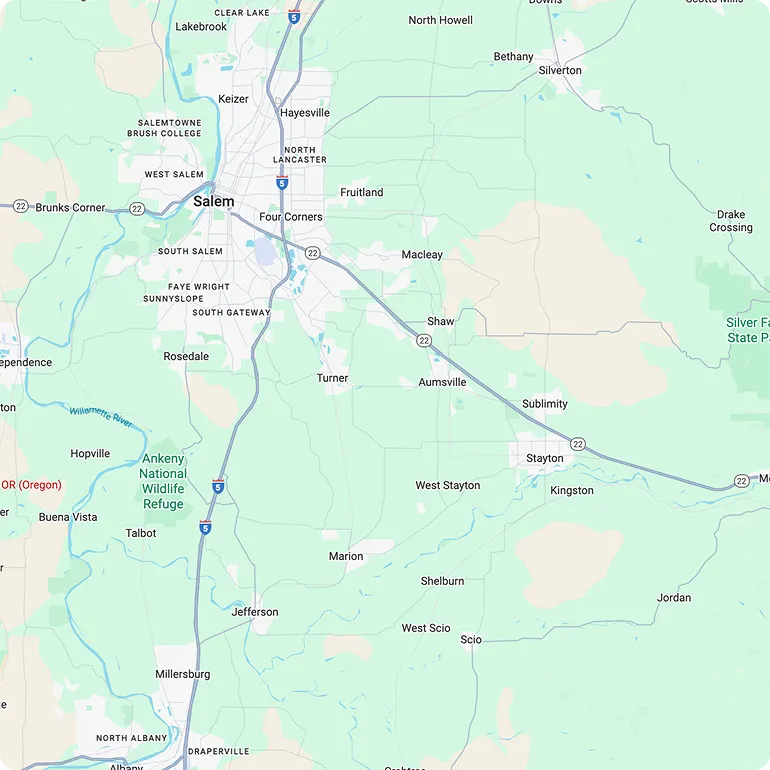
For emergency gas line situations - active leaks, strong gas odors, or safety concerns - we prioritize your call and respond as quickly as safely possible. While we're based in Lyons and serve the broader Willamette Valley including Philomath, response times vary based on current workload and the nature of your emergency. When you call, we'll give you honest expectations about when a technician can reach you.
For non-emergency gas line issues - slow leaks that have been detected by pressure testing, corrosion inspections, or maintenance checks - we typically schedule service within a few days. Our business hours are Monday through Friday, 9:00 AM to 5:00 PM, though we stay in constant communication with our customers to find convenient appointment times.
Typical Job Durations:
The time required for gas line repair varies based on what we find and what needs to be done:
Simple Leak Repair - If the problem is a loose fitting or a small section of corroded pipe that needs replacement, we can often complete the work in 1-2 hours. This includes diagnosing the problem, making the repair, testing the pressure, and confirming safety.
Moderate Repair - Replacing a longer section of corroded pipe or addressing multiple connection points typically takes 2-4 hours. This involves careful preparation, potentially rerouting the line, ensuring proper slope and support, and thorough testing.
Extensive Repair or Partial Replacement - If corrosion is extensive or multiple sections need work, the project could take a full day or require scheduling across multiple visits. We'll outline the timeline clearly before we begin.
Full Gas Line Replacement - Replacing an entire gas line system is a larger undertaking. Depending on the size of your home and the complexity of the system, full replacement might take 8-16 hours of work spread across one or two days. We'll provide a detailed timeline when we assess your situation.
We understand that having work done in your home is disruptive. Our team works efficiently while maintaining our commitment to quality and safety - we never rush through gas line work just to finish faster. If a project will take longer than expected, we'll communicate that clearly so you're not caught off guard.
Preventative Maintenance and Long-Term Care
The best approach to gas line problems is preventing them from happening in the first place. Regular inspection and maintenance extend the life of your gas lines and catch small problems before they become emergencies.
Annual or Bi-Annual Inspection:
We recommend having your gas lines inspected at least once per year, ideally during your spring or fall HVAC maintenance visits. During inspection, we check for:
- Visible corrosion on accessible lines
- Loose or damaged connections
- Proper slope and support
- Moisture or condensation signs
- Any unusual sounds or smells
Homeowners with older gas lines, those installed with steel pipe, or those living in areas with particularly corrosive soil conditions might benefit from inspection every six months.
Visual Checks You Can Do:
Between professional inspections, you can do simple visual checks of accessible gas lines:
- Look for any discoloration, white or green deposits, or obvious corrosion
- Check connections near appliances for tightness
- Notice any unusual smells - gas companies add a distinctive odor so you can detect leaks
- Feel for unusual vibration or hear unusual sounds when appliances are running
- Check that drip legs (small vertical sections near appliances) aren't pooling water
Protecting Your Gas Lines:
Some preventative steps protect your gas lines from damage:
- Mark the location of underground gas lines before digging
- Avoid burying new soil over gas lines or creating drainage that channels water toward them
- Ensure gutters and downspouts don't concentrate water where gas lines run
- Keep vegetation around gas lines trimmed so you can see them and water doesn't pool
- Avoid using caustic chemicals on or near gas lines
Water Heater and Furnace Maintenance:
Your gas line is only one part of the system. Maintaining your water heater and furnace helps ensure the entire system operates efficiently and safely:
- Have your furnace serviced annually, preferably in fall before heating season
- Have your water heater flushed and serviced periodically
- Check pilot lights regularly to ensure they're burning blue
- Replace furnace filters regularly
These maintenance steps help your appliances work efficiently, reduce strain on gas lines, and catch problems early.
When to Call for Inspection:
Even if you haven't noticed problems, call Stinson Mechanical for a gas line inspection if:
- Your home is over 40 years old and gas lines have never been formally inspected
- You have steel gas lines installed more than 25 years ago
- You've noticed any signs of corrosion or unusual smells
- You're planning renovation work that might affect gas lines
- Your utility company has recommended inspection
- You're buying a new home and want comprehensive information about its gas system
- You've had repeated problems with a specific appliance
A professional inspection costs far less than emergency repairs and provides peace of mind that your system is safe.
Why Choose Stinson Mechanical for Gas Line Repair in Philomath
When you need gas line repair in Philomath or throughout the Willamette Valley, you want a company you can trust to do the work right. Stinson Mechanical brings over 25 years of HVAC experience to every gas line repair we perform.
Our core priorities shape how we work: honesty about what your system needs, commitment to keeping you comfortable safely and efficiently, and ensuring we have the parts and expertise to provide quick service. We stay in constant communication with you throughout any repair, so you understand what's happening and what comes next.
We understand local conditions - the climate in our service area, the age of homes in Philomath, the soil conditions that accelerate corrosion, and the code requirements that apply to gas line work in Oregon. This local expertise means we give you advice tailored to your specific situation, not generic recommendations.
Whether your gas line needs emergency repair, annual inspection, or complete replacement, Stinson Mechanical provides professional service you can depend on. Contact us when you need expert assessment and reliable repair for your gas line system.