.svg)
.svg)

When you're building a new home, upgrading your heating system, or adding gas appliances to your property in Philomath, proper gas piping installation isn't just important - it's essential for safety and efficiency. Gas piping is the backbone of any natural gas system, carrying fuel safely from the meter to your furnace, water heater, stove, or other appliances. At Stinson Mechanical, we've spent over 25 years ensuring that homeowners and businesses throughout the Willamette Valley have reliable, code-compliant gas piping systems that work flawlessly for decades.
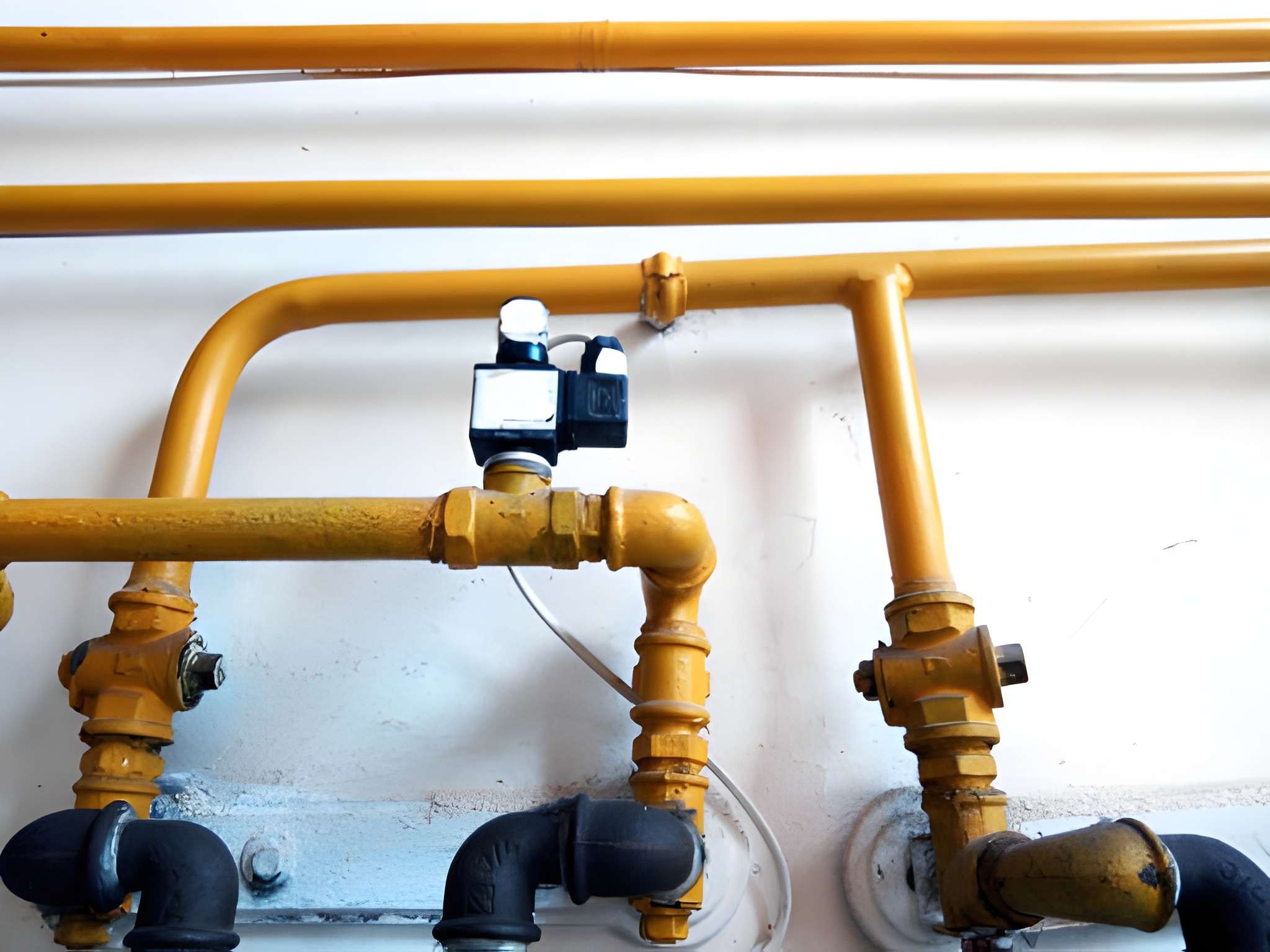
Whether you're installing a new gas line for the first time or replacing outdated piping, our team understands the specific requirements for gas piping installation in Philomath and the surrounding area. We handle everything from initial site assessment through final pressure testing, making sure your system meets all local codes and operates safely. Let's walk through what's involved in professional gas piping installation and why choosing the right contractor makes all the difference.
Why Proper Gas Piping Installation Matters
Gas piping isn't something you want to leave to chance. A poorly installed or improperly sized gas line can lead to several serious problems:
- Inadequate gas flow to your appliances, causing them to operate inefficiently or not at all
- Gas leaks that pose safety hazards to your family or employees
- Code violations that complicate future home sales or inspections
- Pressure drops that result in high energy bills and reduced system performance
- Corrosion or damage over time due to improper material selection
The good news is that with professional installation from Stinson Mechanical, you avoid all these headaches. We follow industry best practices and Oregon's specific building codes to ensure your gas piping system is safe, efficient, and built to last.
Our Gas Piping Installation Process
When you call Stinson Mechanical for gas piping installation in Philomath, here's what you can expect:
1. Comprehensive Site Assessment
Before we order materials or schedule installation, we conduct a thorough evaluation of your property. This includes determining where gas lines need to run, identifying any obstacles or challenges, and calculating the gas load required for all your appliances. We'll discuss your current and future needs - for example, if you're planning to add a gas stove down the road, we can size the piping appropriately now to avoid costly upgrades later.
2. Gas Load Calculations
Proper gas load calculation is critical and something many contractors rush through. We calculate exactly how much gas flow (measured in BTUs per hour) each of your appliances requires. A furnace might need 100,000 BTUs, a water heater 40,000, and a stove 35,000. Once we know your total demand, we size the piping accordingly. Undersized pipes restrict flow and reduce efficiency; oversized pipes waste money on materials and installation. We get it just right.
3. Material Selection
You have options when it comes to gas piping materials, and we'll explain the pros and cons of each:
- Black Iron Pipe - The traditional choice, durable and affordable. It's been used for decades and has an excellent track record. Black iron requires proper support and can corrode if exposed to moisture, so we ensure it's installed in appropriate locations.
- CSST (Corrugated Stainless Steel Tubing) - A flexible option that's easier to route through walls and tight spaces. CSST is faster to install, which can reduce labor costs. It's particularly useful in complex layouts where rigid piping would be difficult to maneuver. We always ensure proper bonding and grounding when using CSST per current code requirements.
- Flexible Gas Line (Stainless Steel) - Similar benefits to CSST but with a slightly different construction. This is often used for appliance connections and can simplify final hookups.
We'll recommend the best material option for your specific situation, taking into account your home's layout, local code requirements, and budget considerations.
4. Proper Pipe Sizing and Routing
This is where experience really counts. We determine the correct pipe diameter for each section of your system based on the gas load, length of the run, and pressure drop calculations. Routing is equally important - we plan efficient paths that minimize bends, avoid damage-prone areas, and maintain proper clearances from other utilities and building elements. In Philomath homes with varied layouts and ages, this kind of thoughtful planning makes the difference between a system that hums along trouble-free and one that develops problems down the road.
5. Permit and Code Compliance
We handle all the permitting requirements for gas piping installation in Philomath, OR. Oregon's building codes for gas piping are specific and designed to protect safety. We know them inside and out. Our installation meets or exceeds all current code requirements, and we work with local inspectors to ensure everything passes inspection on the first try. You won't have surprises or setbacks.
6. Installation and Pressure Testing
Once materials are selected and routing is planned, our experienced technicians install your gas piping system with precision. We use proper supports and hangers, maintain correct slope where needed for condensate drainage, and ensure all connections are tight and secure. Upon completion, we perform comprehensive pressure testing using specialized equipment to verify there are no leaks anywhere in the system. We'll show you the results and explain what everything means.
7. Appliance Tie-Ins
The final step connects your gas piping to each appliance - your furnace, water heater, stove, or other gas-burning equipment. We ensure proper connection methods for each appliance type, verify safe operation, and confirm that gas flow is adequate. We stay in constant communication with our customers until the job is done, so you'll know exactly what's happening at each stage.
Common Gas Piping Installation Scenarios in Philomath
Different situations call for different approaches to gas piping installation:
New Construction - When building a new home in the Philomath area, we plan the entire gas system from scratch. This is actually the ideal time to install gas piping because walls are open, routing is flexible, and there are no existing systems to work around. We ensure the system is sized correctly for your planned appliances and positioned to support future upgrades if needed.
System Upgrades - Maybe you're replacing an old furnace with a new, high-efficiency model, or you're adding gas to a previously all-electric property. We'll assess whether your existing gas line can handle the new demand or if an upgrade is necessary. Often, upgrading piping at the same time as appliance installation is cost-effective and ensures optimal performance.
Appliance Additions - Adding a gas stove to your kitchen or a gas fireplace to your living room requires extending your gas piping to that location. We'll run the line efficiently, secure all connections properly, and test thoroughly before your new appliance is ready to use.
Replacement of Aging Piping - If your home has old black iron gas piping that's showing signs of corrosion or if you're concerned about the condition of existing lines, we can replace them with modern materials. We do this carefully to ensure your heating and hot water never get interrupted during the transition.
Why Choose Stinson Mechanical for Gas Piping Installation
Our approach to gas piping installation reflects our core values: honesty, efficiency, and customer comfort. Here's what sets us apart:
Expertise - With over 25 years of HVAC experience on our team, we've installed hundreds of gas piping systems throughout the Willamette Valley. We know the specific challenges and requirements for properties in Philomath and the surrounding areas. We've seen what works, what doesn't, and how to anticipate potential problems.
Thorough Planning - We don't cut corners on the front end. Our comprehensive site assessments and careful calculations mean your system is right-sized and properly routed from day one. This prevents inefficiency and expensive future modifications.
Code Compliance - We stay current with Oregon's building codes and ensure every installation meets all requirements. We handle permitting so you don't have to, and we're confident every system we install will pass inspection.
Quality Materials - We keep sufficient stock of quality materials on hand, which means faster installation and reliable, durable components. We're not sourcing random suppliers or using materials that might be cheaper but less reliable.
Transparent Communication - We explain what we're doing, why we're doing it, and what to expect. You'll understand your system and how to maintain it properly going forward.
Comprehensive Testing - We pressure test every system and verify that all connections are secure and safe. You get documented results showing your gas piping installation meets all safety standards.
What to Expect After Installation
Once your gas piping installation is complete and tested, your system is ready to serve you reliably. However, like any part of your home's mechanical systems, occasional maintenance helps ensure ongoing safety and efficiency. We recommend having your gas lines inspected during your seasonal HVAC maintenance visits - typically spring and fall in the Philomath area. During these inspections, we check for any signs of corrosion, verify that all connections remain tight, and confirm that your system is operating at peak efficiency.
If you ever notice unusual smells (natural gas has an odor added specifically to alert you to leaks), hear hissing sounds, or suspect any problems with your gas lines, don't hesitate to reach out. We offer emergency service and can respond quickly to address safety concerns.
Financing Your Gas Piping Installation
We understand that upgrading or installing gas piping is an investment. That's why Stinson Mechanical offers flexible financing through Synchrony, making it easier to get the installation done now rather than putting it off. This is particularly helpful if you're installing gas piping as part of a larger HVAC system upgrade.
Get Started with Professional Gas Piping Installation
If you're planning a new gas piping installation in Philomath, OR, or if you need to upgrade or replace existing gas lines, Stinson Mechanical is ready to help. We'll provide you with a free quote that outlines the scope of work, materials, timeline, and investment required. Our team will answer any questions you have and make sure you feel confident about the project before we begin.
Contact us at 503-689-4021 or email Justin@StinsonMechanical.com to schedule your free consultation. We're available Monday through Friday from 9:00 am to 5:00 pm, and we're always happy to discuss your gas piping needs and help you understand exactly what your project will involve. Let's make sure your gas piping system in Philomath is installed right the first time - safely, efficiently, and to last for decades to come.