.svg)
.svg)

Natural gas piping is one of those critical home systems that most homeowners don't think about until something goes wrong. Whether you're installing a new gas appliance, upgrading an old system, or dealing with a suspected leak, having reliable natural gas piping is essential for safety, efficiency, and peace of mind. At Stinson Mechanical, we specialize in comprehensive natural gas piping services for residential and commercial properties throughout Philomath and the Willamette Valley. Our team brings over 25 years of HVAC experience to every project, ensuring your gas system is installed correctly, maintained properly, and operating at peak efficiency.
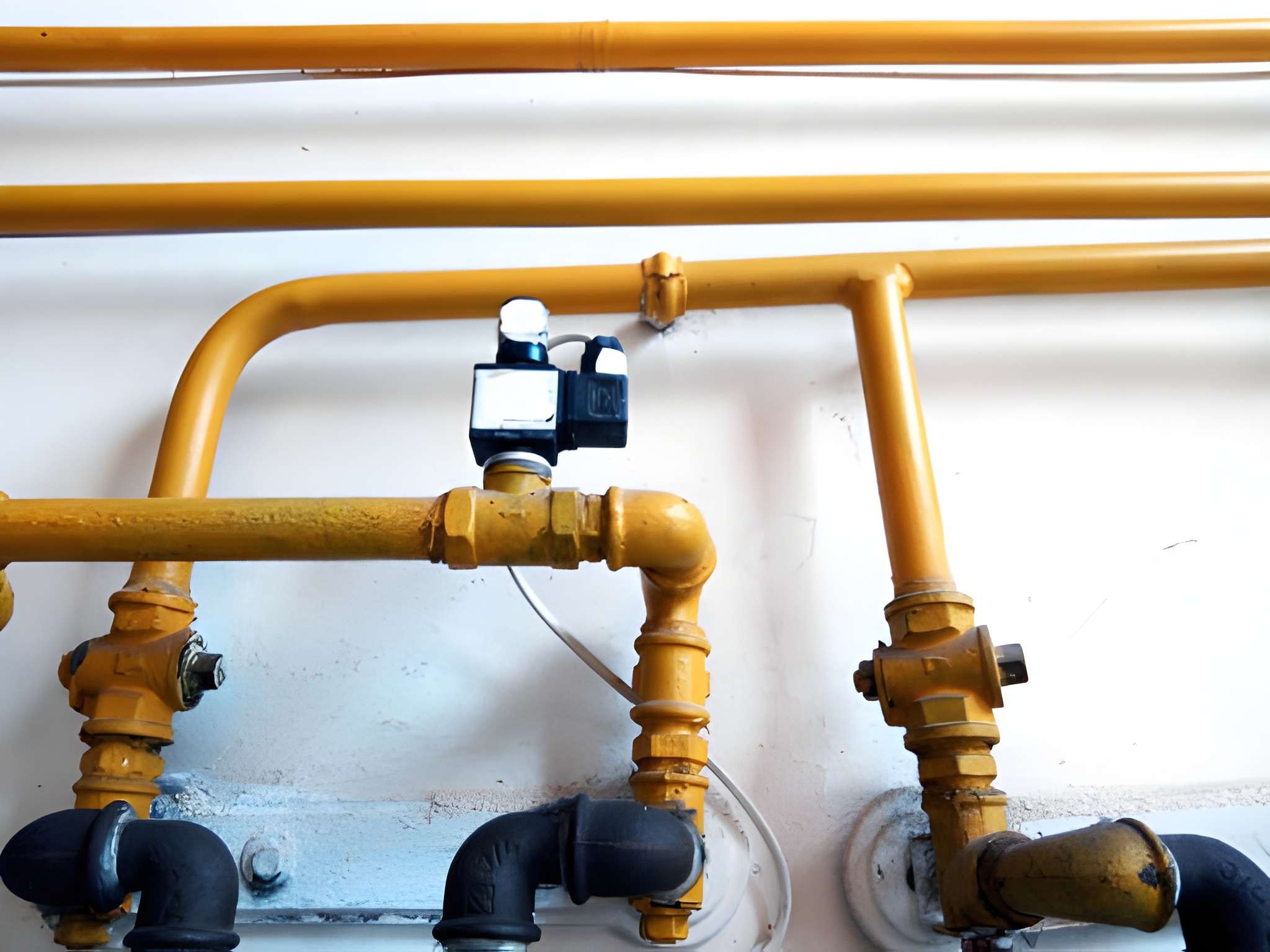
Why Natural Gas Piping Matters in Philomath
Philomath residents rely on natural gas for heating, cooking, water heating, and other essential appliances. The quality of your gas piping directly impacts the safety and efficiency of these systems. Poor piping installations, aging lines, or improper routing can lead to gas leaks, inefficient appliance operation, and safety hazards. Oregon's energy codes are strict about how gas piping must be installed and maintained, and non-compliant systems can create liability issues for homeowners and property managers. That's where professional, code-compliant natural gas piping services make all the difference.
Our priorities at Stinson Mechanical are straightforward: honesty, keeping our customers comfortable in an efficient manner, and conforming with energy code requirements. When we work on your natural gas piping in Philomath, you can expect honest assessments, transparent communication, and work that meets or exceeds all applicable codes and safety standards.
Common Natural Gas Piping Issues and Solutions
Natural gas piping problems don't always announce themselves loudly. Sometimes they develop gradually, and other times they're discovered during routine inspections or when you notice something amiss with your appliances. Here are the most common issues we encounter in the Philomath area:
- Gas leaks - The most serious concern. Leaks can develop at connection points, along pipe runs, or at appliance connections. Even small leaks waste gas and pose safety risks.
- Corroded or deteriorated piping - Older steel pipes can rust internally or externally, restricting gas flow or developing pinhole leaks.
- Improperly sized piping - If gas lines are too small for the appliances they serve, you'll experience low pressure and poor appliance performance.
- Inadequate or unsafe routing - Gas pipes that run through inappropriate areas (like crawl spaces without protection) or are routed unsafely can be damaged or create hazards.
- Failed connections or fittings - Loose connections or fittings that haven't been sealed properly will leak gas.
- Pressure problems - Either too low pressure (appliances won't work well) or inconsistent pressure (appliances cycle on and off).
- Appliance compatibility issues - When you install new appliances, your existing gas piping may not be sized correctly or routed appropriately for them.
If you're noticing a rotten egg smell near your gas lines, hearing hissing sounds, seeing damage to pipes, or experiencing poor performance from gas appliances, it's time to call a professional. These issues require expert diagnosis and swift correction.
New Natural Gas Piping Installation and System Design
Installing new natural gas piping is more complex than simply running pipes from point A to point B. Proper installation requires careful planning, precise calculations, and strict adherence to Oregon's energy codes and safety standards.
When we design and install natural gas piping in Philomath, we follow a methodical process:
1. Load Calculation and Appliance Assessment
We start by determining how much gas your appliances need. This involves calculating the BTU (British Thermal Unit) requirements for each appliance - your furnace, water heater, stove, dryer, and any other gas-burning equipment. This load calculation ensures we size your piping correctly. Undersized pipes create pressure drops and poor appliance performance. Oversized pipes waste material and money.
2. Route Planning and Code Compliance
Next, we plan the most efficient and safe route for your gas lines. We consider building layout, accessibility for future maintenance, protection from damage, and full compliance with Oregon's energy codes. Gas piping must be installed in a way that protects it from physical damage, maintains proper clearances from other utilities, and allows for easy inspection and repair.
3. Material Selection
We use code-compliant piping materials appropriate for your application:
- CSST (Corrugated Stainless Steel Tubing) - Flexible, easy to route around obstacles, common in modern residential installations. Must be properly grounded per code.
- Black iron pipe - Traditional threaded steel pipe, very durable, suitable for both residential and commercial applications.
- Copper tubing - Sometimes used in specific applications, always per code requirements.
- Dielectric fittings - Used where different metals meet to prevent corrosion.
We select materials based on your specific situation, code requirements, and the demands of your system.
4. Professional Installation
Our technicians install your gas piping with precision. This includes:
- Measuring and cutting pipe to exact lengths
- Threading or connecting fittings securely
- Supporting pipes properly with appropriate hangers and supports
- Protecting pipes from damage in wall cavities, crawl spaces, and other areas
- Installing shut-off valves at appropriate locations
- Ensuring proper clearances from electrical wiring and other utilities
5. Testing and Inspection Coordination
Once installation is complete, we pressure test the entire system to ensure there are no leaks. We use specialized equipment to check for even microscopic leaks. After testing passes, we coordinate with local building officials for final inspections, handling the permit process so you don't have to worry about it.
Gas Line Upgrades and Retrofits for Existing Homes
Many homes in Philomath and the surrounding area have older gas piping systems. If you're upgrading appliances, installing new equipment, or simply want to ensure your system is up to current code standards, we can help.
Common upgrade scenarios include:
- Adding new gas appliances - Installing a new gas fireplace, converting to a gas range, or adding a new water heater requires proper gas line sizing and routing.
- Replacing old piping - If your home has deteriorated black iron pipe or CSST that's approaching the end of its lifespan, we can replace it with modern, code-compliant materials.
- Remedying existing issues - If a previous installation didn't follow code or created safety issues, we assess the problem and implement the right solution.
- System relocations - Sometimes renovations or remodeling require us to reroute gas lines. We handle this while maintaining all safety and code requirements.
Throughout any upgrade or retrofit project, we stay in constant communication with you until the job is done. You'll understand what we're doing, why we're doing it, and what the timeline looks like.
Pressure and Leak Testing
Testing is non-negotiable when it comes to natural gas piping. We use professional-grade pressure testing equipment to verify that your entire system is leak-free and operating at correct pressure. This includes:
Pressure Testing
We pressurize the system to specified levels (typically higher than normal operating pressure) and monitor for any drop in pressure, which would indicate a leak. If pressure holds steady over an extended period, the system passes. If we detect a pressure drop, we locate the source and make repairs before the system is put into service.
Leak Detection
In addition to pressure tests, we perform leak detection using multiple methods:
- Soapy water application - We apply a special soap solution to all connections and visible pipe sections. Any leak will create bubbles that reveal the exact location.
- Electronic leak detectors - For harder-to-find leaks or to double-check suspicious areas, we use sensitive electronic equipment.
- Specialized instruments - For specific situations, we employ additional diagnostic tools to ensure we catch even trace amounts of gas.
Once testing is complete and the system passes, your natural gas piping is safe and ready for normal operation.
Permit Handling and Inspection Coordination
One thing that deters many homeowners from tackling gas piping work is the permit and inspection process. We handle this for you. When you work with Stinson Mechanical, we manage:
- Permit applications - We complete all necessary paperwork for your local permitting authority.
- Plan submissions - We provide detailed plans showing how we'll install your system in compliance with code.
- Inspection scheduling - We coordinate with local building officials to schedule inspections at the right points in the project.
- Code documentation - We ensure all work is documented and certified appropriately.
- Final sign-off - We see the project through to final approval, so your system is officially recognized as code-compliant.
This takes a significant burden off your shoulders. You get a professional installation with all the proper paperwork, permits, and approvals - no guesswork, no surprises.
Maintenance and Safety Inspections
Natural gas piping isn't a "set it and forget it" system. Regular maintenance and safety inspections are important for long-term reliability and safety.
We recommend annual safety inspections that include:
- Visual inspection of all accessible piping - We look for signs of corrosion, damage, loose connections, or improper routing.
- Connection tightness checks - We verify that all threaded and fitted connections remain secure.
- Pressure verification - We confirm that gas pressure is at the correct levels for your appliances.
- Appliance performance checks - We ensure that your furnace, water heater, and other gas appliances are receiving adequate gas supply and operating efficiently.
- Leak detection - We perform comprehensive leak detection to catch any developing problems early.
- Safety valve inspection - If your system includes safety equipment, we verify it's functioning properly.
Catching small issues during maintenance prevents them from becoming major problems that disrupt your comfort or create safety hazards. Plus, well-maintained gas systems run more efficiently, which means lower energy bills - exactly what our customers want.
Understanding Gas Load Calculations
Behind every proper natural gas piping installation is a careful gas load calculation. This technical process ensures your piping is sized correctly for your appliances. Here's how it works:
Each gas-burning appliance has a specific BTU requirement. A typical residential furnace might require 80,000 to 100,000 BTU per hour. A water heater might need 40,000 BTU per hour. A range might be 65,000 BTU per hour. When you add appliances, you add their requirements.
However, it's unlikely that every appliance will operate at maximum capacity simultaneously. A gas load calculation considers:
- Appliance BTU ratings - The maximum amount each device uses
- Duty cycle - How often each appliance runs at full capacity
- Diversity factor - The realistic probability that multiple appliances will run at full capacity at the same time
- System inefficiencies - How the piping system itself affects gas delivery
The result is a calculation that tells us exactly what pipe diameter we need at each point in your system. Too small, and appliances won't perform. Too large, and you've wasted money on oversized materials. Professional calculation gets it exactly right.
Timeline and What to Expect
How long does a natural gas piping project take? The answer depends on the scope of work, but here's what you can generally expect:
New Installation in a New Home
For a new residential construction project, gas piping installation typically takes one to three days, depending on the size of the home and complexity of the layout. We coordinate with other trades and work according to the construction schedule. Our team has sufficient stock of materials and equipment, so we don't encounter delays waiting for parts.
Retrofit or Upgrade Project
Upgrading or rerouting gas piping in an existing home varies based on the work required. Adding a single connection might take a few hours. A complete system upgrade or reroute could take one to three days. We'll give you a realistic timeline before we start.
Testing and Inspection
Pressure testing and leak detection typically take a couple of hours, depending on system complexity. Inspection coordination happens according to your local building department's schedule, which we handle entirely.
Weather Considerations
In Philomath, winter weather occasionally affects outdoor work. We plan projects to minimize weather disruption, but we'll discuss any seasonal considerations with you upfront.
Throughout any project, we stay in constant communication with our customers until the job is done. You'll know what's happening, when it's happening, and what comes next.
Cost Factors for Natural Gas Piping
Several factors influence the cost of natural gas piping work:
- Scope of work - A single new connection costs much less than a complete system installation or major retrofit.
- Piping material selection - CSST costs differently than black iron pipe, and material choices affect labor requirements.
- System complexity - Systems requiring multiple branches, transitions between materials, or challenging routing cost more than simple, straightforward installations.
- Accessibility - If pipes route through finished walls, attics, or difficult-to-reach spaces, installation takes longer.
- Code requirements - Stricter energy codes might require additional safety equipment or specific installation methods.
- Permit and inspection requirements - These are factual costs that vary by location and project type.
Rather than guessing about cost, we recommend getting a free quote. Contact us with details about your project, and we'll assess your situation and provide transparent pricing. We offer flexible financing through Synchrony, so you can manage the cost in a way that works for your budget.
Why Choose Stinson Mechanical for Natural Gas Piping in Philomath
When you're making a decision about who handles your natural gas piping, you're entrusting them with a critical home system that affects your safety and comfort. Here's what you get when you choose Stinson Mechanical:
Honesty and Transparency
Our first priority is honesty. We'll tell you what your system needs, explain your options, and recommend the best solution for your situation - not just the most expensive one. No surprises, no hidden fees, no pressure tactics.
Expert Knowledge and Experience
Our team brings over 25 years of HVAC and gas system experience to every project. We understand Oregon's energy codes, local building requirements, and best practices for safe, efficient installations.
Code Compliance
We don't cut corners on code compliance. Every installation, retrofit, and repair we perform meets or exceeds applicable codes and safety standards. We handle all permit and inspection coordination, so you don't have to worry about whether your system is officially approved.
Efficient, Comfortable Solutions
We focus on keeping you comfortable in an efficient manner. That means sizing your system correctly, using materials that deliver reliable performance, and maintaining your system to keep it running at peak efficiency.
Sufficient Stock and Quick Service
We maintain adequate stock of equipment and repair parts. When you need service, we have what we need on hand, which means faster completion and less disruption to your home or business.
Clear Communication
We stay in constant communication with our customers throughout every project. You'll understand what we're doing, why, and when to expect completion.
If you need natural gas piping services in Philomath or anywhere in the Willamette Valley, reach out to Stinson Mechanical. We're your local HVAC company specializing in gas furnaces, heat pumps, air conditioners, ductless heat pumps, gas lines, and more. Let us help you get your natural gas system installed, upgraded, or maintained with the honesty and expertise you deserve.